How to Show the File Path in Finder on Mac
A file path tells you exactly where a file or folder is stored on your Mac. For example, a path might look like this: Macintosh HD > Users > YourName > Documents > Project The easiest way to show a file path in Finder is to turn on the Path Bar. Open a Finder window, … Read more

How to Batch Rename Files on a Mac

Illustration for How to Batch Rename Files on a Mac

You can batch rename files on a Mac directly in Finder. Select the files, Control-click one of them, choose Rename, and use Replace Text, Add Text, or Format to rename several files at once. Finder also lets you undo a batch rename if the result is not what you expected. Quick Answer To rename multiple … Read more

How to Create and Use Smart Folders on a Mac

Illustration for How to Create and Use Smart Folders on a Mac

Quick Answer To create a Smart Folder on a Mac, open Finder, click File > New Smart Folder, choose a search location, and add criteria such as file type, creation date, name, or tags. Click Save, enter a name, choose where to save the Smart Folder, and select Add to Sidebar if you want quick … Read more

How to Fix an External Display Not Detected by Mac

If your Mac is not detecting a monitor, check the connection first, then use System Settings to look for the display manually. Confirm that the cable, adapter, dock, and monitor input are correct. If the screen still does not appear, disconnect accessories, restart the Mac, adjust display settings, and test in Safe Mode. Quick Answer … Read more

How to Check MacBook Battery Health and Cycle Count

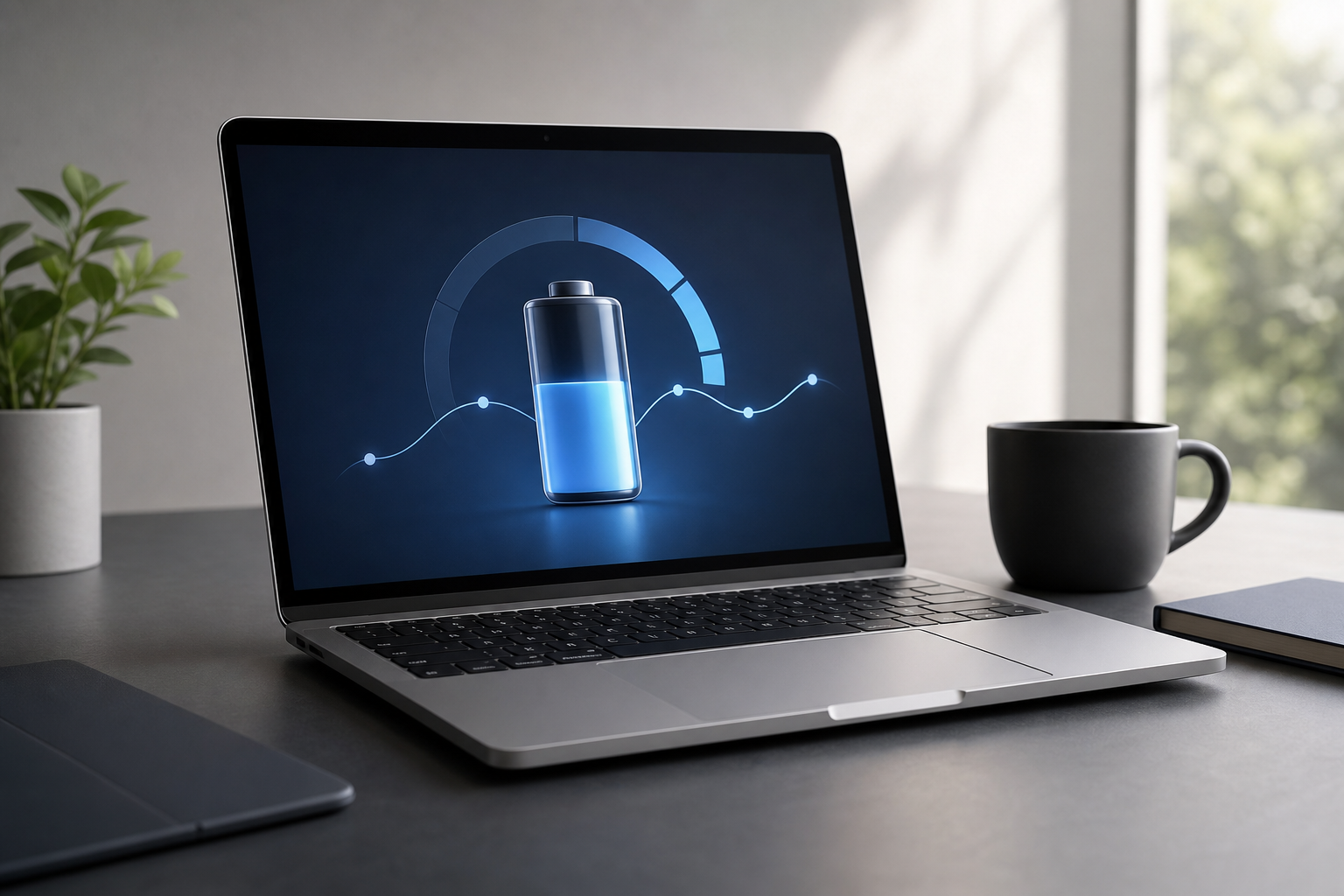
Illustration for How to Check MacBook Battery Health and Cycle Count

You can check your MacBook’s battery health and cycle count from System Settings or System Information. For a quick overview, open System Settings > Battery and review Battery Health. To see the exact cycle count, hold the Option key, click the Apple menu, choose System Information, and select Power in the sidebar. These details help … Read more

How to Create a Bootable macOS Installer

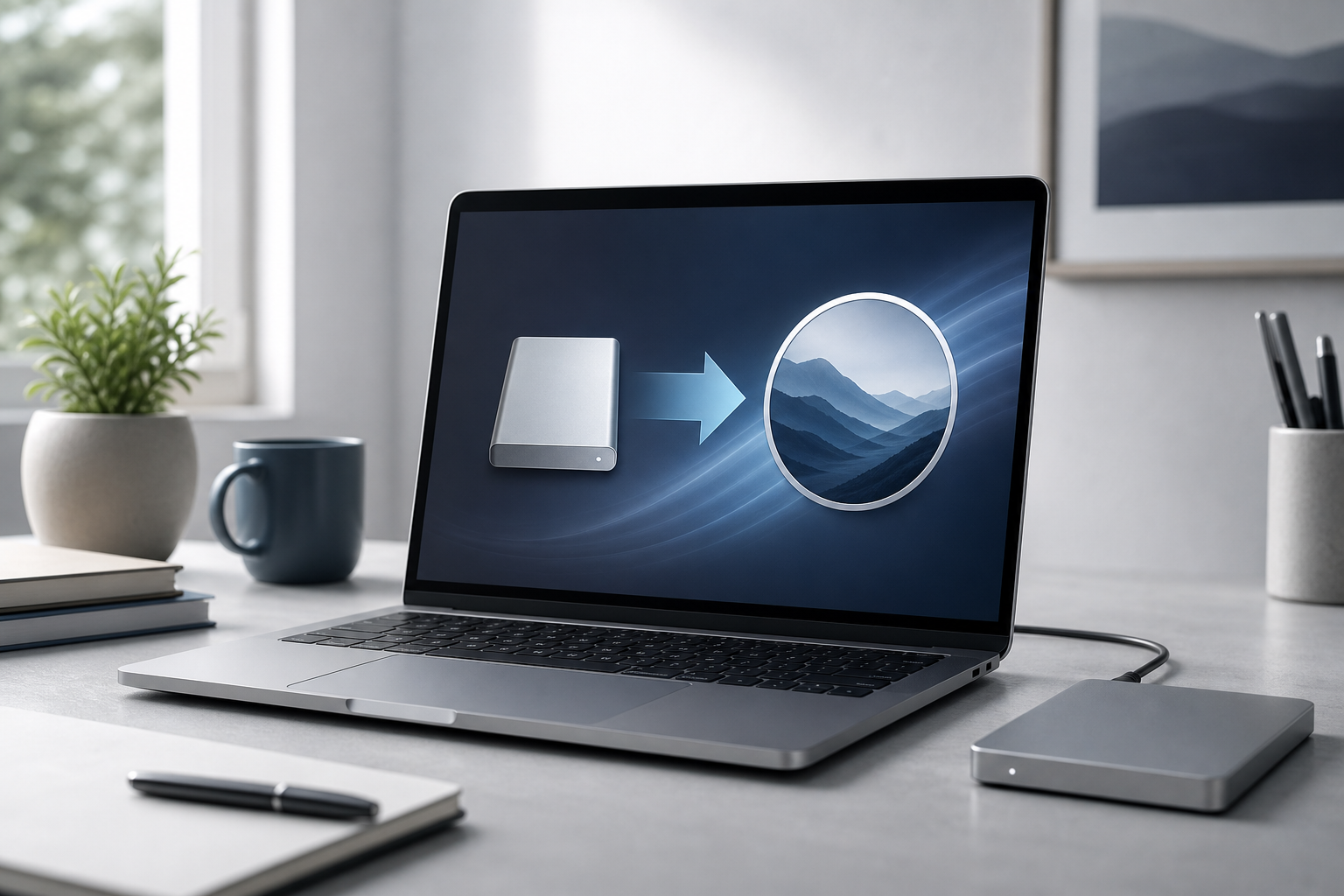
Illustration for How to Create a Bootable macOS Installer

You can create a bootable macOS installer drive with a USB flash drive and Apple’s built-in createinstallmedia command. Download the macOS installer from Apple, erase and format a compatible USB drive in Disk Utility, then run the command for that installer in Terminal. A bootable installer can help you install macOS on a compatible Mac, … Read more

How to Manage Login Items and Background Apps on Mac

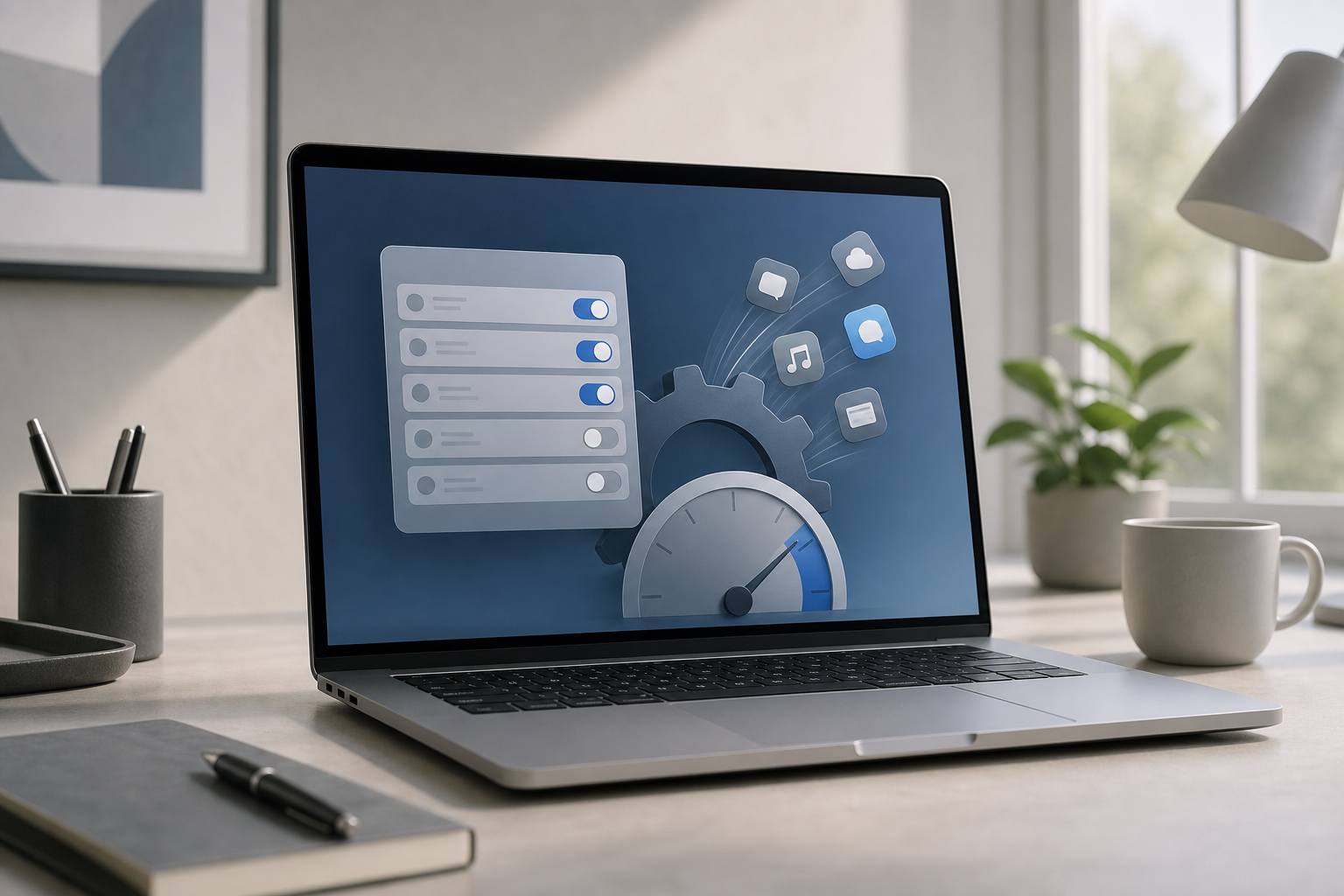
Illustration for How to Manage Login Items and Background Apps on Mac

Quick Answer To manage Mac login items and apps that run in the background, open Apple menu > System Settings > General > Login Items & Extensions. Under Open at Login, select an app and click the – button to stop it from opening automatically. Under Allow in the Background, use the switches to control … Read more

How to Reinstall macOS Without Losing Your Files

Illustration for How to Reinstall macOS Without Losing Your Files

You can usually reinstall macOS without erasing your personal files. The safest method is to start macOS Recovery, choose Reinstall macOS, and install the system on your existing startup disk without using Disk Utility to erase it. A reinstall replaces macOS system files while normally preserving your user accounts, documents, photos, apps, and other data. … Read more

How to Use Passwords and Passkeys on a Mac

The Passwords app on your Mac lets you store, find, and manage website passwords, app passwords, verification codes, and passkeys in one place. You can also use it to create strong passwords, review security alerts, share selected credentials with trusted people, and import or export password data when moving between services. This guide explains how … Read more